CURATED CHRISTMAS
Every December, WAY gallery hosts a recurring tradition in which artists from the gallery’s network meet new voices through our annual Open Call.
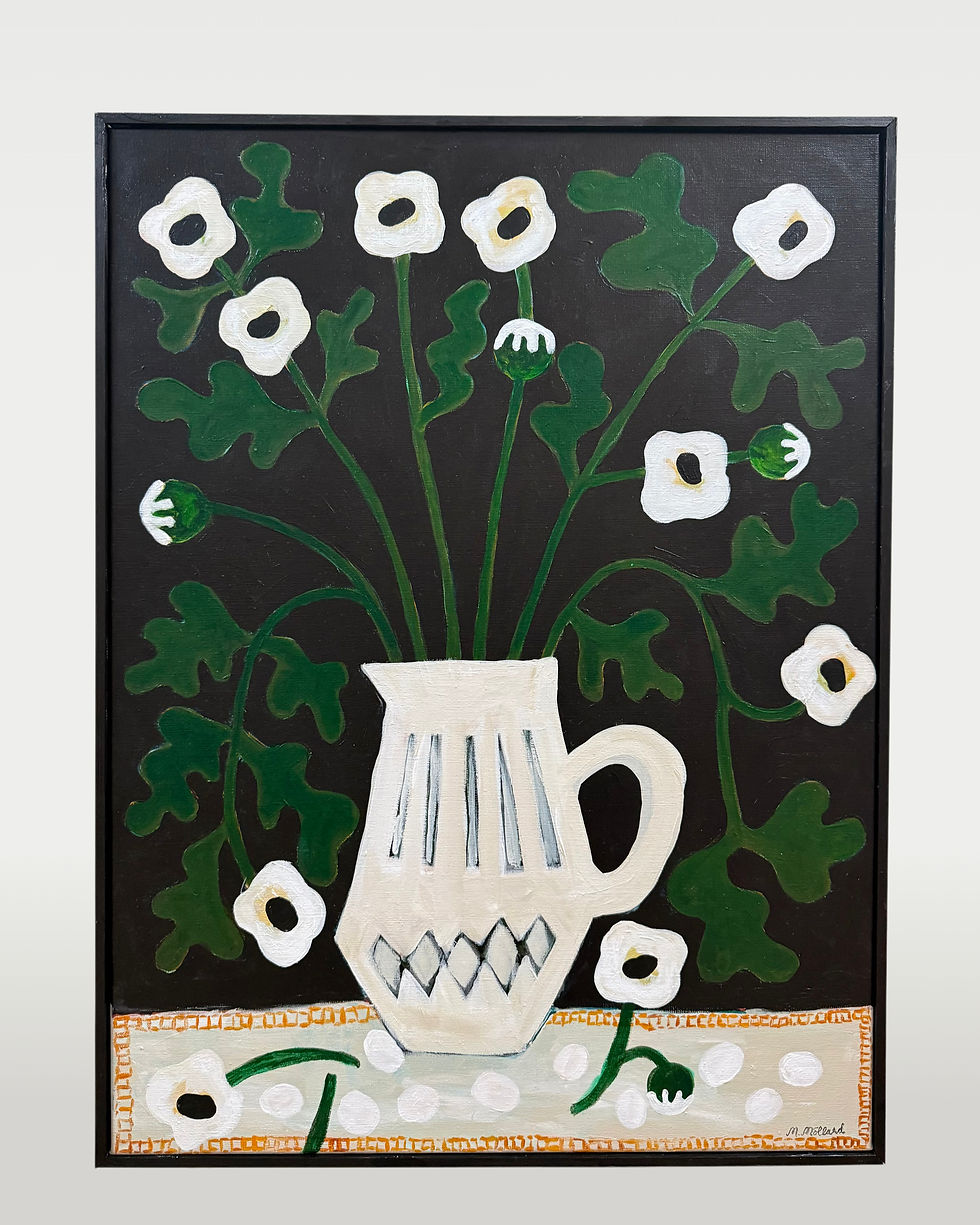
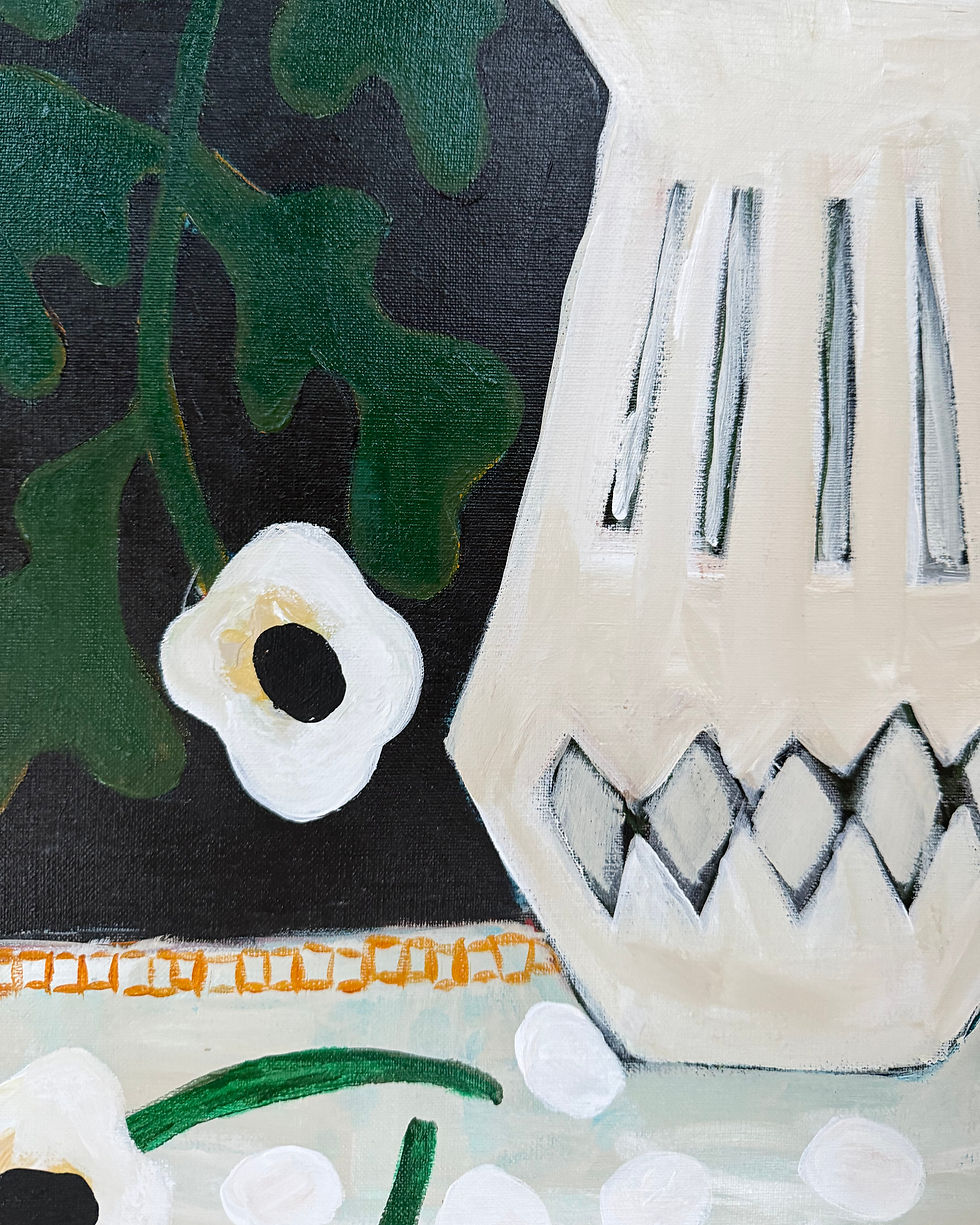
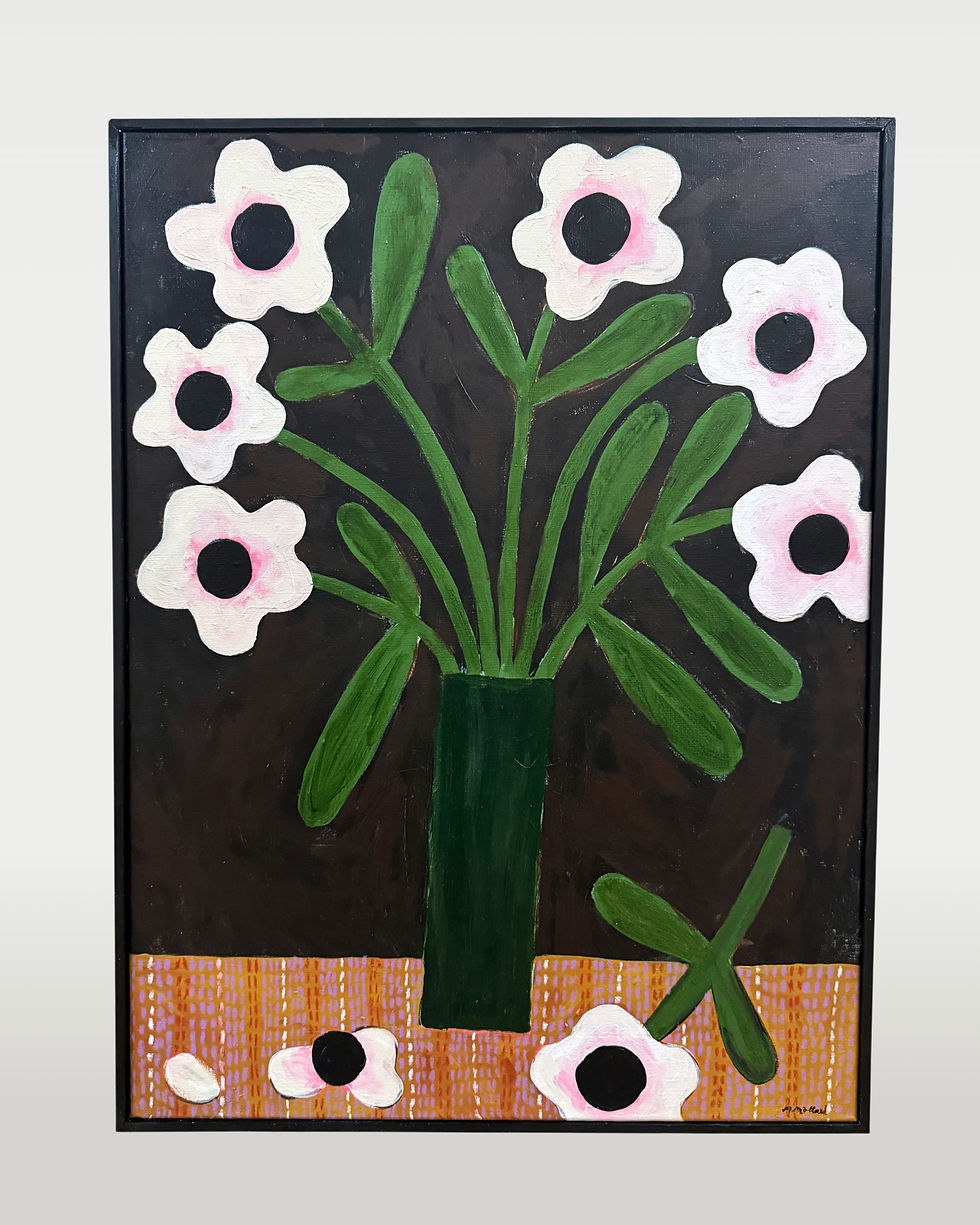
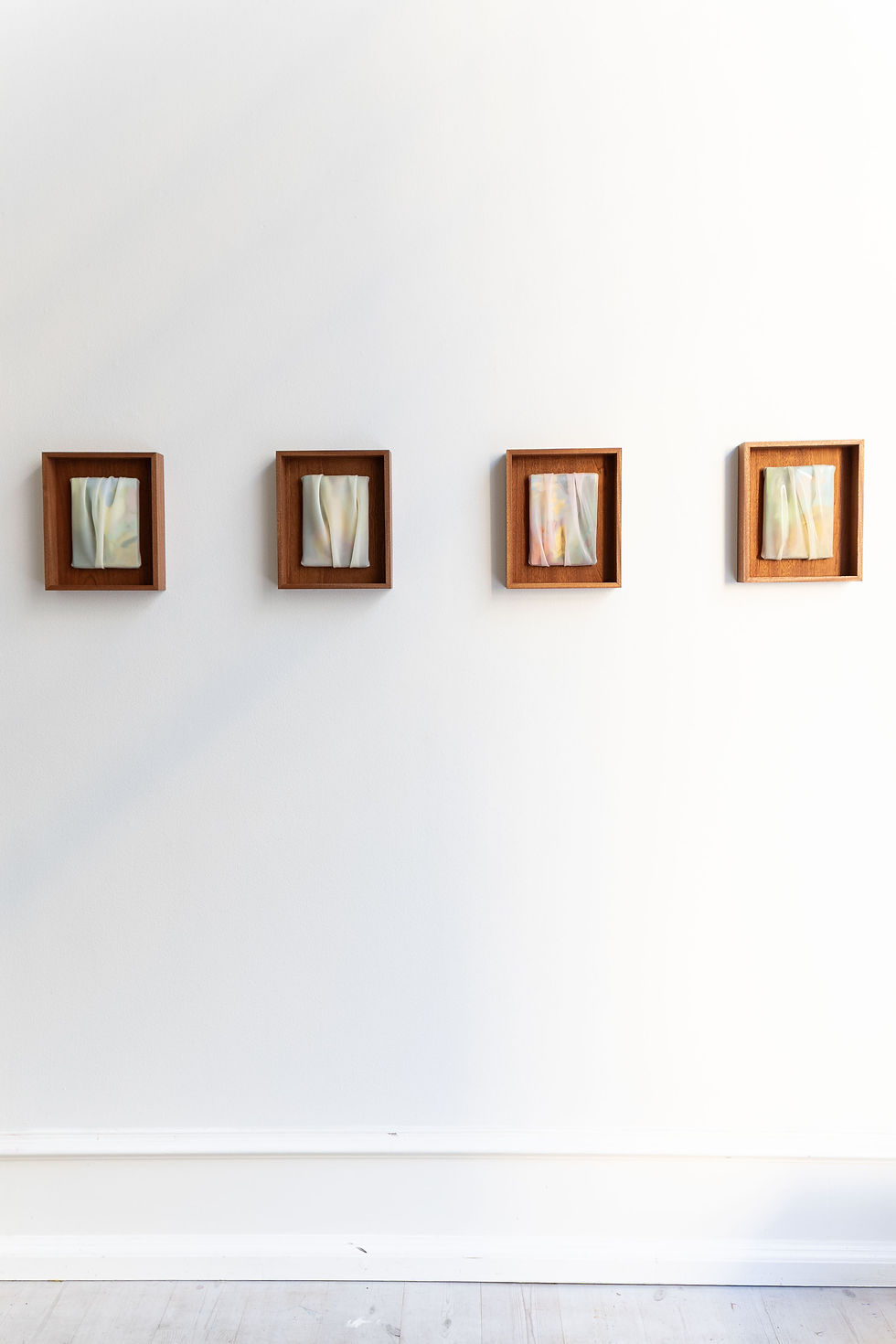
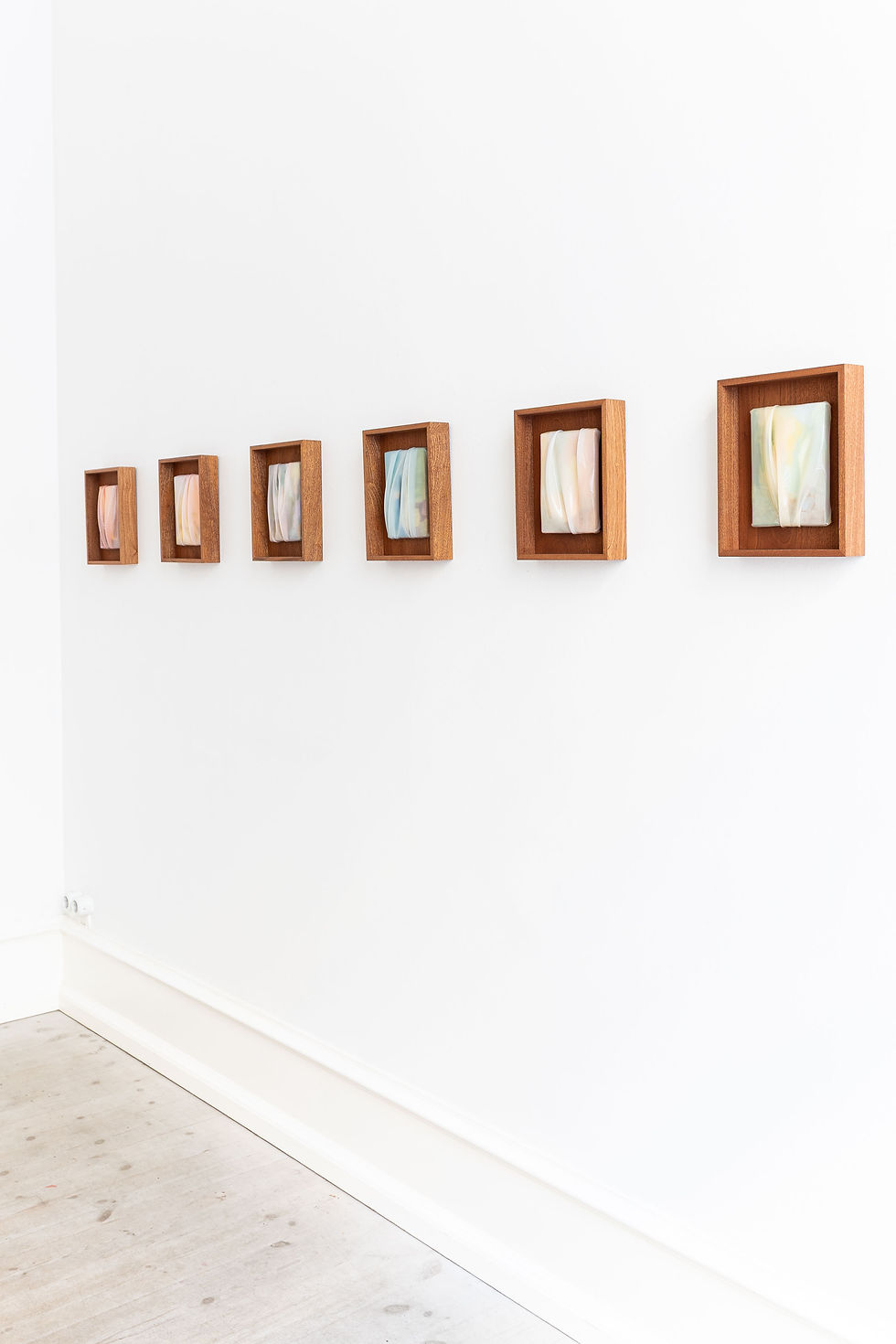
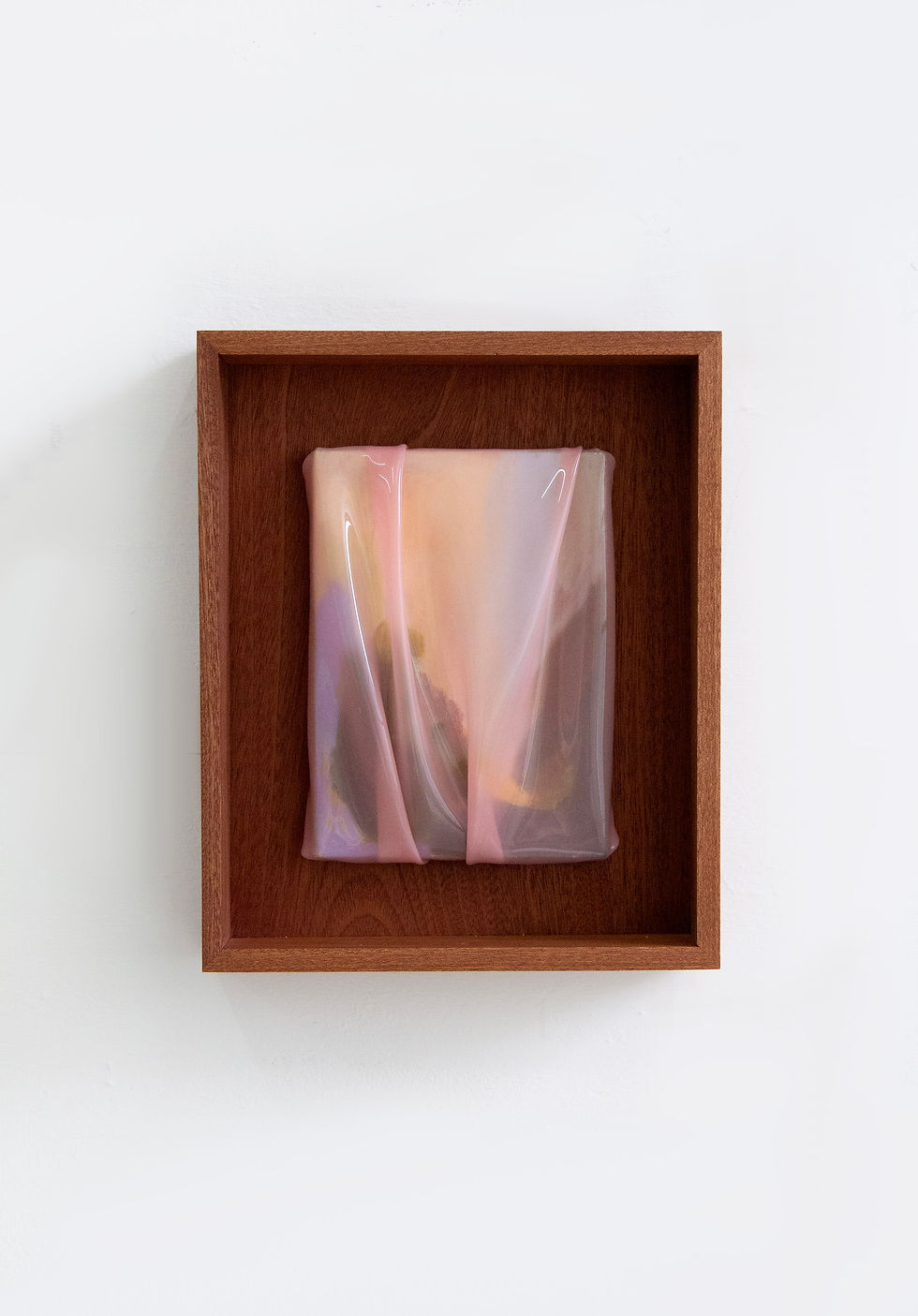
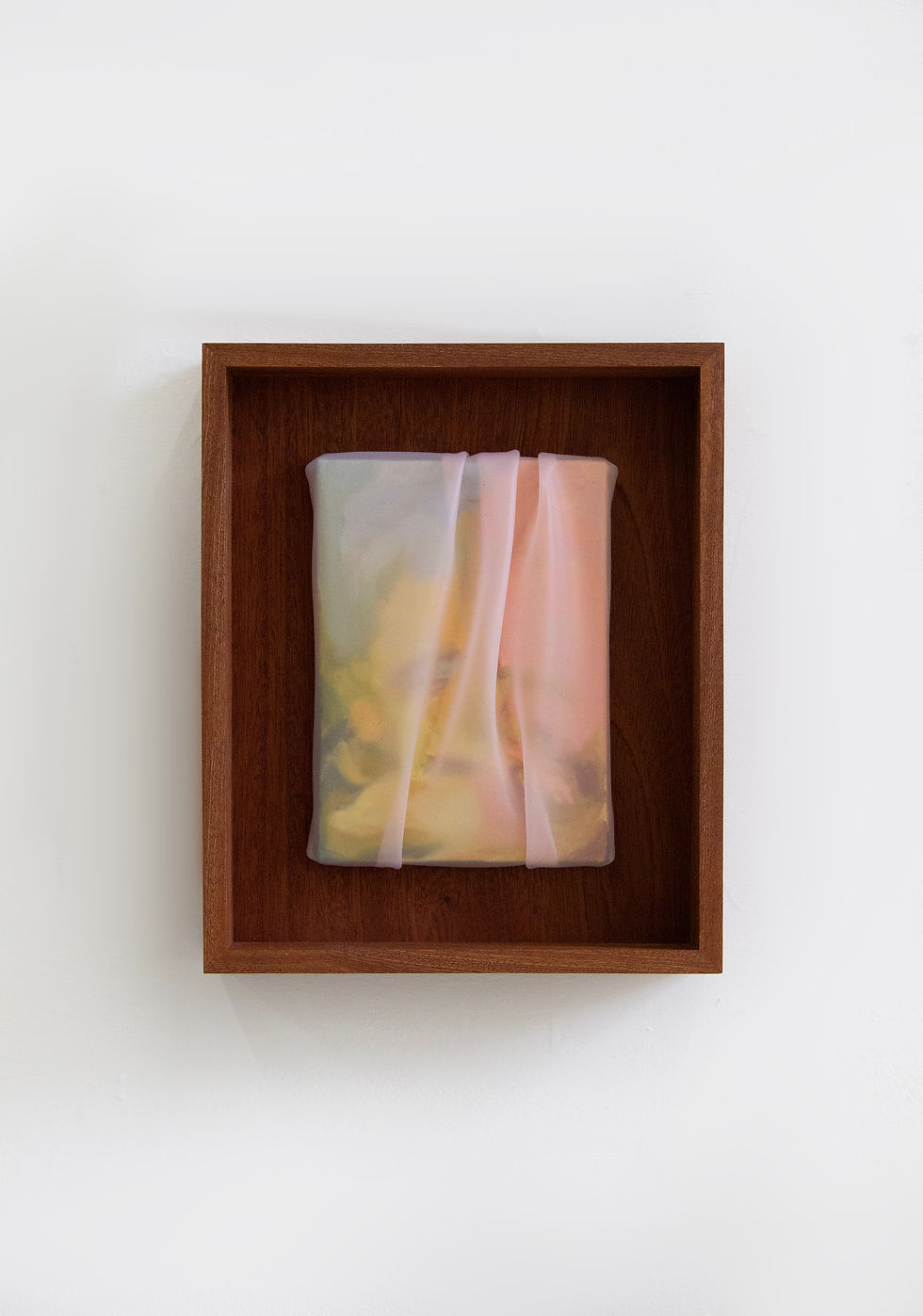
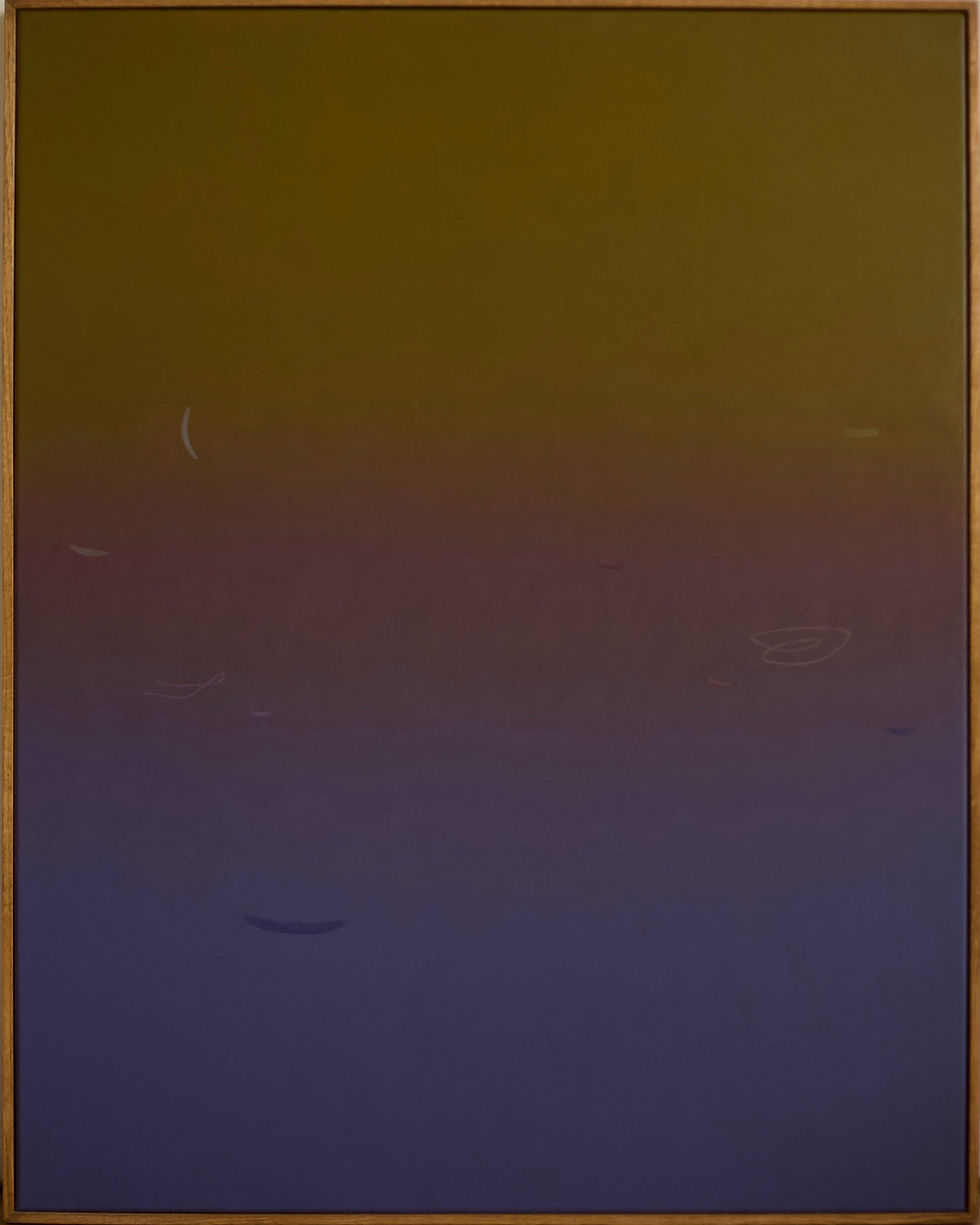
A carefully curated collection of paintings, sculptures, and objects in various format. An exhibition to discover, return to, and gather around.
Visit us at Upplandsgatan 57, Stockholm,
or shop the exhibition online below.


In preparing this year’s Christmas exhibition, we have been drawn to what lingers. The traces we leave behind, what changes over time, and what somehow remains.
We wanted to create a space where beauty can hold sorrow, where fragility meets permanence, and where different forms of expression can both reinforce and contradict one another. In the encounter between the works, something emerges that cannot necessarily be put into words, but which we hope visitors will be able to feel.
Christmas is, in many ways, a time of contrasts. Light and darkness, presence and absence, anticipation and reflection. We did not want to illustrate Christmas, but rather to approach something of the human experience that this time of year so often brings to the surface.
Our ambition has been to create an exhibition that offers no ready-made answers, but instead leaves room for the viewer’s own memories, associations and emotions.
ARTISTS

Mu-Se Kuo
(b. 1982, Taiwan)
Mu-Se is fascinated by the everyday objects we use, consume and often overlook, such as food packaging, shipping boxes and household items. She transforms these familiar objects into playful, satirical and thought-provoking sculptures. By shifting scale, material and context, she explores the stories of power, consumer culture and colonialism held within everyday things. Drawing on her identity as a Taiwanese artist, she moves between the personal and the political, taking material from cultural identity, historical narratives and contemporary geopolitical tensions.
By combining sculptural forms with graphic elements and text, she blurs the line between art and industrial products. The works invite the viewer to reconsider their relationship to everyday objects and to the systems behind them.

Estelle Graf
(b. 1994, Sweden)
Estelle’s practice is defined by a satirical approach to storytelling through visual art. Known for blending humor with social commentary, she constructs worlds where anthropomorphic figures, often animals with human bodies, embody the contradictions of contemporary life.
Estelle explores emotional and societal themes while inviting the viewer to reflect on human behavior and the absurdities of modern existence. Her works share fragments of stories that open up narrative possibilities, encouraging audiences to interpret and expand upon them.
She began her career as an Art Director in Paris before developing her artistic practice, which has since been exhibited and sold internationally. Her work has been featured in publications such as Harper’s Bazaar, Elle Decoration and PLAZA Interior.

Alma Duran
(b. 1994, Sweden)
Alma is an artist and glassblower whose practice explores rhythm, movement, and light as fundamental forms of human expression. Her work evokes memories, nostalgia, and emotions that move between the past and the future. Drawing inspiration from her background in the underground scene, she incorporates its visual language, raw energy, and collective spirit into her artistic practice. She is particularly interested in the transformative states that emerge through human connection. Her visual language carries a sense of playfulness and absurdity, where dreams, memories, and fragments of imagination give rise to forms that seem to follow their own logic, somewhere between the familiar and the unfamiliar.
Mu-Se Kuo
(b. 1982, Taiwan)
Mu-Se is fascinated by the everyday objects we use, consume and often overlook, such as food packaging, shipping boxes and household items. She transforms these familiar objects into playful, satirical and thought-provoking sculptures. By shifting scale, material and context, she explores the stories of power, consumer culture and colonialism held within everyday things. Drawing on her identity as a Taiwanese artist, she moves between the personal and the political, taking material from cultural identity, historical narratives and contemporary geopolitical tensions.
By combining sculptural forms with graphic elements and text, she blurs the line between art and industrial products. The works invite the viewer to reconsider their relationship to everyday objects and to the systems behind them.

Estelle Graf
(b. 1994, Sweden)
Estelle’s practice is defined by a satirical approach to storytelling through visual art. Known for blending humor with social commentary, she constructs worlds where anthropomorphic figures, often animals with human bodies, embody the contradictions of contemporary life.
Estelle explores emotional and societal themes while inviting the viewer to reflect on human behavior and the absurdities of modern existence. Her works share fragments of stories that open up narrative possibilities, encouraging audiences to interpret and expand upon them.
She began her career as an Art Director in Paris before developing her artistic practice, which has since been exhibited and sold internationally. Her work has been featured in publications such as Harper’s Bazaar, Elle Decoration and PLAZA Interior.
Alma Duran
(b. 1994, Sweden)
Alma is an artist and glassblower whose practice explores rhythm, movement, and light as fundamental forms of human expression. Her work evokes memories, nostalgia, and emotions that move between the past and the future. Drawing inspiration from her background in the underground scene, she incorporates its visual language, raw energy, and collective spirit into her artistic practice. She is particularly interested in the transformative states that emerge through human connection. Her visual language carries a sense of playfulness and absurdity, where dreams, memories, and fragments of imagination give rise to forms that seem to follow their own logic, somewhere between the familiar and the unfamiliar.

Julia Wallman
(b. 1993, Sweden)
Julia’s artistic practice revolves around bodily memories and experiences, where the boundaries between the physical and the mental, reality and imagination, become blurred. She explores how the body carries experiences of pain, vulnerability, care, and transformation, and how these can fragment one’s perception of their own body. By bringing together memories, dreams, and bodily experiences, she creates surreal worlds in which conflicting emotions and states of being are allowed to coexist.
Julia is a Stockholm-based artist currently pursuing a Master’s degree in CRAFT! at Konstfack University of Arts, Crafts and Design. She holds a Bachelor’s degree in Textile Art from the Oslo National Academy of the Arts (2018).

Isa Andersson
(b. 1990, Sweden)
Working primarily with mixed-media objects, glass and metal play central roles in Isa’s practice. Glass carries associations of transparency and fragility, while metal introduces a contrasting sense of coldness, strength, and severity. Its seductive, polished surface conceals a darker undertone. By bringing these opposing qualities together, she creates tensions that deepen the narratives within her work.
Isa holds an MFA from Konstfack University of Arts, Crafts and Design (2019) and a BFA from Beckmans College of Design (2016). Her work has been exhibited at institutions and galleries including Nationalmuseum, Bonniers Konsthall, Malmö Konstmuseum, Liljevalchs, CFHILL, and Artipelag, as well as internationally in Berlin, Paris, Milan, and Venice. Her works are represented in the collections of Nationalmuseum and Malmö Konstmuseum.

Emilia Sundqvist
(b. 1993, Sweden)
Emilia creates stuffed figurative sculptures with visible handmade stitches. The material is an essential aspect of her work, and there is a pattern of white fuzzy softness in everything she does.
Her works explore the doubts and demands of adultness with a playful and humorous approach. The malaise of young adulthood is juxtaposed with longing and recognition of childhood’s simplified declarations of love, beauty, and nature.
Born in Uppsala in 1993, Emilia lives and works in Stockholm. She holds a Master’s degree in Textile from Konstfack (2018–2020) and a Bachelor’s degree from the Academy of Fine Arts Vienna (2015–2018).

Emma Stocklassa
(b. 1997, Czech Republic)
Emma’s practice moves between furniture, object and spatial design, with a particular focus on metal craftsmanship. Her work is characterized by experimental forms, unexpected details and what she describes as a sense of punk. Drawing inspiration from a broad range of references beyond the furniture world - from 1980s film scenography to natural phenomena - she works through a free and intuitive process where ideas are allowed to develop organically.
Emma holds a Master’s degree in Spatial Design from Konstfack (2020 - 2023) and a Bachelor’s degree in Interior Architecture and Furniture Design (2019 - 2023). She has also completed a preparatory program in wood, form, and design at Nyckelviksskolan (2019 - 2020).

Nathalie Hallman
(b. 1989)
Through color, form and repetition, Nathalie explores questions of taste and value. She works in the borderland between high and low culture, where kitsch acts both as a driving force and as a critical lens.
The eye is a recurring motif in her practice, serving as a symbol charged with questions of seeing, desire and power. Her work takes its starting point in a voyeuristic tradition in which the female body has historically been objectified, but here the balance of power shifts as the gaze is returned. Repeated ad absurdum, the gaze becomes hollow and intrusive – a presence that does not aim to please.

Panisa Jermhansa
(b. 1993, Thailand)
From observation in solitude and gentle contemplation, Panisa observes moments and ambience with the interplay of light and shadow. ‘Light moments’ touches the in-betweenness of clarity and obscurity where light and shadow take turns in the play of existence, with both subtleness and defined moments. The works are located in between the human-made spaces and dedicated to natural elements. Nature is there in the daylight casting upon surfaces, in the movement of leaves stirred by the wind, and in the shimmers of flowing water. Through this silent observation, time-nature-space comes into mind and reflects the connection between self and environments.

Nadeschda Barenje
(b. 1992)
Nadeschda works in the borderland between traditional craft, digital technology and speculative biology. Her practice revolves around how forms emerge, change and take on meaning, both through human hands and through systems that are allowed to develop on their own.
Experimentation is central to her work. Nadeschda is interested in the inherent properties of materials, but also in what happens when parts of the creative process are handed over to algorithms, chance or physical processes. Despite their different expressions, the works are united by her interest in transformation, repetition and the possibility of creating something that continues to change even after the original act of making has ended.

Stefanie Gripenberg
(b. 1991)
Stefanie is an artist and ceramicist. Her practice often takes its starting point in her own emotions and experiences, with grief, loss and longing as recurring themes. Through recognizable objects, symbols and figures, she seeks a way to approach what can be difficult to put into words.
Stefanie studied ceramics and glass in Konstfack's Bachelor's programme (2023–2026), and before that completed a ceramics programme at Vårdinge folkhögskola (2021–2023). Her work has been shown at Liljevalchs Spring Salon (2023), among others.

Maria Pita Guerreiro
(b. 1991, Portugal)
Maria is an experimental designer and artist whose practice moves between craft, art, design, science, and health. Her work draws inspiration from natural systems, rituals, feminism, and the human body. After studying graphic design, product design, and painting in Lisbon, she moved to Stockholm for an MFA in Design at Konstfack.
Her SCALLOP candle holder series is inspired by the scallop shell as a symbol of femininity, sexuality, and fertility. Throughout history, hinged shells, especially scallops, have embodied the feminine principle, externally signifying protection and nurture, while internally evoking the female anatomy.

Norma Höller Bäckström
(b. 2001)
Norma works with textures and glazes to create illusions in ceramics. She experiments with expression at varying scales and combines materials to find new interpretations.
Through clay, she explores a physical presence, finds unexpected reflections in our surroundings and shows how the body can be portrayed from different perspectives. Her inviting figures convey experience and integrity, combined with warmth and humor.
Norma is studying for a Bachelor's degree in Glass and Ceramics at Konstfack. She previously studied at Nyckelviksskolan (2023–2025). She has exhibited at Källarbyn in Gamla Stan, Kaolin on Hornsgatspuckeln and Folkets hus in Fisksätra, among others.

Curator - Francesca Berlin
From the very first time I encountered Landet Stay through Umberto, I felt an immediate sense that this was a place where art could exist differently. Not confined to white walls, but integrated into atmosphere, architecture and nature. For me, as both curator and co founder of WAY gallery, the most meaningful part has been creating a context where artists are invited not only to exhibit, but to inhabit a place, slow down and let the surroundings influence their process.
Having a background as an artist myself, and now working more as a gallerist and art advisor, I’m constantly searching for new ways to make contemporary art feel alive and relevant within modern life. This collaboration has challenged and inspired me in exactly the right ways. Seeing the works unfold against wood, landscape and shifting light rather than within a traditional gallery setting has created a different kind of emotional presence.
What also excites me is the idea that guests will encounter these works in a more intimate and unexpected way during their stay, living with them, even briefly, rather than simply viewing them in a traditional gallery setting. The fact that the works are also available to acquire opens up a more personal and intuitive way of engaging with collecting outside the conventional gallery walls.
- Francesca Berlin

Co-founder Landet Stay - Umberto Garabello
Art has been important to me ever since I was a kid, so it felt very natural for it to become part of Landet Stay from the beginning. We never wanted it to feel like just a hotel in nature, but a place shaped by creativity, culture and thoughtful people. Collaborating with artists and giving space to emerging voices is something we genuinely enjoy, both as a way of giving something back to a world that has given us so much over the years, and because art really changes how a place is experienced and remembered.
- Umberto Garabello